Best Programming Languages to Learn in 2025
Python: Best Programming Languages in 2025
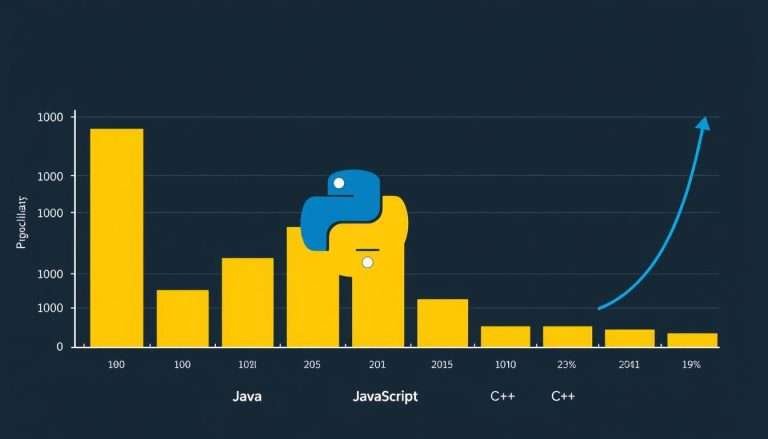
Python continues to dominate the best programming languages in 2025, maintaining its multi-year reign as the most sought-after language. Its popularity stems from its versatility, readability, and powerful applications across various domains, particularly in the rapidly expanding fields of artificial intelligence and data science.
Why Python Remains #1 of Best programming languages in 2025
- Exceptional versatility across web development, data analysis, AI, and automation
- Straightforward syntax that makes it accessible for beginners
- Robust libraries and frameworks like TensorFlow, PyTorch, and Django
- Strong community support with extensive documentation and resources
- High demand in emerging technologies like machine learning and big data
Python’s Market Demand
According to industry projections, Python developers continue to be among the most sought-after professionals in 2025. The average salary for Python developers has reached approximately $120,000 annually, with specialized roles in AI and machine learning commanding even higher compensation. Major tech companies like Google, Meta, and Amazon consistently rank Python proficiency among their most valued technical skills.
Start Your Python Journey Today
Master Python fundamentals and advance to AI applications with our comprehensive learning path. Get access to interactive tutorials, real-world projects, and expert guidance.
Best Programming Languages for 2025
While Python leads the pack, several other best programming languages remain crucial for developers in 2025. Each language offers unique strengths and applications across different domains of software development.
| Rank | Language | Ease of Learning | 2025 Demand | Average Salary | Primary Applications |
| 1 | Python | High | Very High | $120,000 | AI, Data Science, Web Development |
| 2 | JavaScript | Medium | Very High | $112,000 | Web Development, Mobile Apps |
| 3 | Java | Medium | High | $105,000 | Enterprise Applications, Android |
| 4 | TypeScript | Medium | High | $115,000 | Large-scale Web Applications |
| 5 | Go | Medium | High | $118,000 | Cloud Services, System Programming |
| 6 | Rust | Low | Rising | $125,000 | Systems Programming, WebAssembly |
JavaScript: Web Development Powerhouse
JavaScript remains the backbone of web development in 2025, powering over 98% of websites worldwide. Its versatility has expanded beyond front-end development to full-stack applications through Node.js, making it an essential and best programming languages for any web developer.
Advantages of JavaScript
- Universal browser support
- Versatile for both front-end and back-end development
- Rich ecosystem of frameworks and libraries
- Strong community support and resources
- High demand across industries
Challenges of JavaScript
- Browser inconsistencies can create compatibility issues
- Asynchronous programming concepts can be challenging
- Requires additional frameworks for complex applications
- Security vulnerabilities if not implemented properly
Career Opportunities with JavaScript
JavaScript developers are among the most sought-after professionals in 2025, with roles ranging from front-end specialists to full-stack engineers. The average salary for JavaScript developers hovers around $112,000, with experienced developers in specialized frameworks commanding higher compensation.
Java: Enterprise Reliability
Java maintains its strong position in 2025 as the go-to language for enterprise applications, Android development, and large-scale systems. Its “write once, run anywhere” philosophy continues to make it a valuable skill for developers working across different platforms.
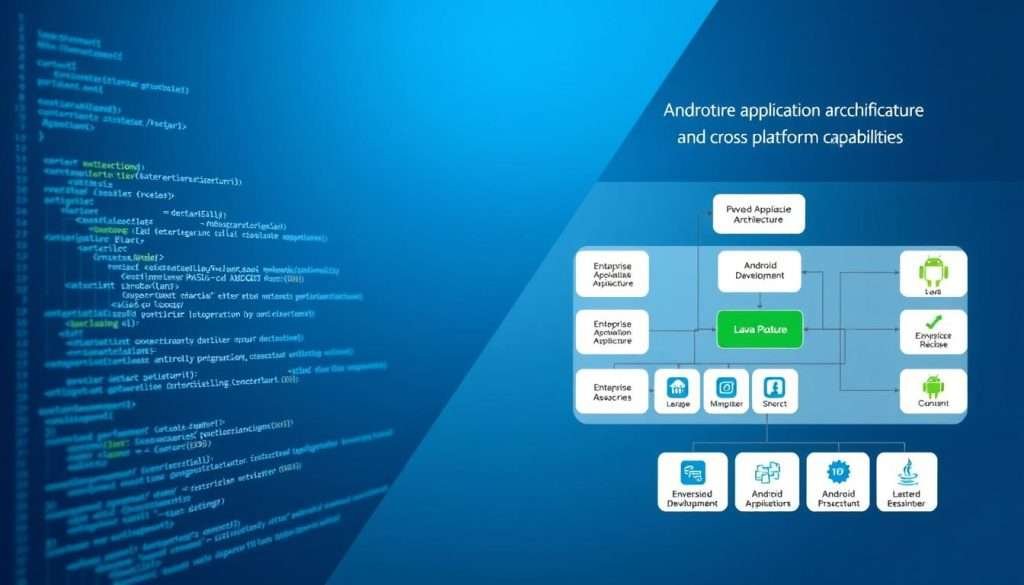
Key Applications of Java in 2025
- Enterprise-level applications with high security requirements
- Android mobile application development
- Financial services and banking systems
- Big data technologies (Hadoop ecosystem)
- Cloud-based applications and services
Learning Curve and Resources
Java has a moderate learning curve, making it accessible to developers with some programming experience. The language’s strict syntax and object-oriented principles provide a solid foundation for learning other programming languages. Numerous resources, from official documentation to interactive courses, are available for aspiring Java developers.
TypeScript: JavaScript with Enhanced Reliability
TypeScript continues its rise in popularity in 2025, offering the flexibility of JavaScript with added type safety and improved tooling. As applications grow in complexity, TypeScript’s ability to catch errors during development rather than runtime makes it increasingly valuable for large-scale projects.
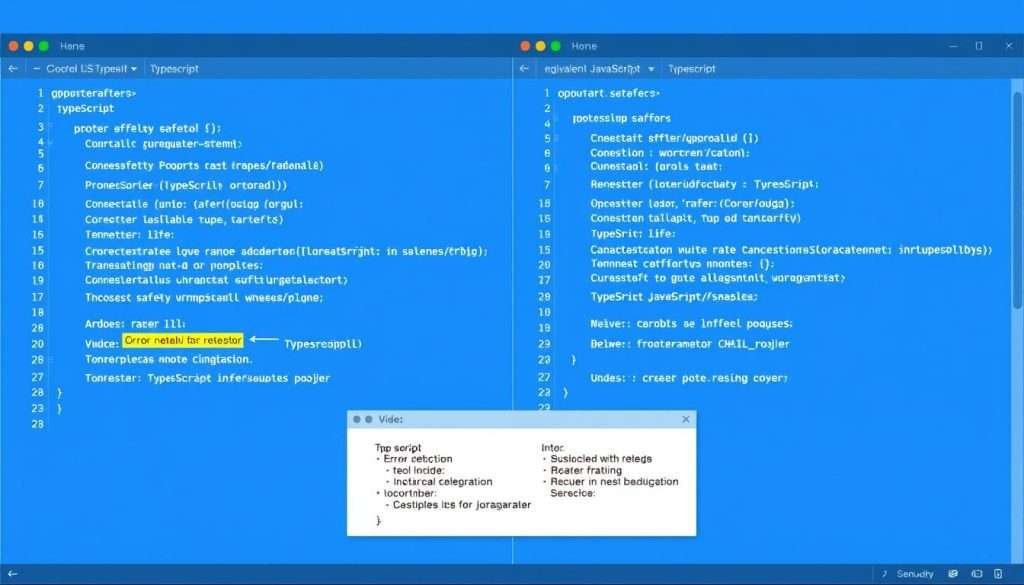
Why TypeScript Is Gaining Traction
TypeScript’s adoption has accelerated as more organizations recognize the benefits of type safety in large codebases. Major frameworks like Angular have embraced TypeScript as their primary language, while React and Vue projects increasingly incorporate it for improved developer experience and code quality.
“TypeScript adds a much-needed layer of reliability to JavaScript development. For any project expected to scale or be maintained long-term, TypeScript has become our default choice.”
Learning TypeScript in 2025
For developers already familiar with JavaScript, the transition to TypeScript is relatively smooth. The language builds upon JavaScript fundamentals while adding static typing and additional features. The investment in learning TypeScript pays dividends through improved code quality, better documentation, and enhanced IDE support.
Go (Golang): Simplicity Meets Performance
Go continues to gain momentum in 2025, particularly in cloud services, microservices architectures, and system programming. Developed by Google, Go combines the performance of compiled languages with the simplicity and readability that enhances developer productivity.
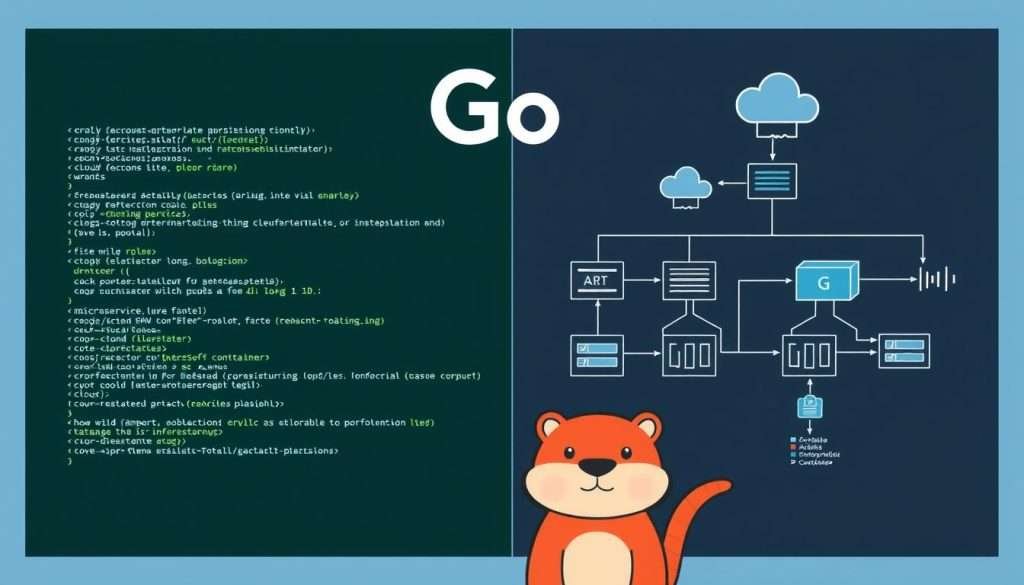
Key Strengths of Go in 2025
- Excellent performance for system-level programming
- Built-in concurrency features for modern applications
- Simplified syntax that reduces development complexity
- Strong standard library reducing dependency on third-party packages
- Growing adoption in cloud-native development
Industry Adoption
Go has seen increased adoption across various industries, with particular strength in cloud providers, financial technology, and streaming services. Companies like Google, Uber, Twitch, and Dropbox rely on Go for critical infrastructure components. The language’s efficiency in handling concurrent operations makes it ideal for modern, distributed systems.
Rust: The Future of Systems Programming
Rust continues its steady climb in popularity in 2025, earning recognition for its unique combination of performance, safety, and developer ergonomics. As organizations prioritize security and reliability in their systems, Rust’s memory safety guarantees without garbage collection make it increasingly attractive.
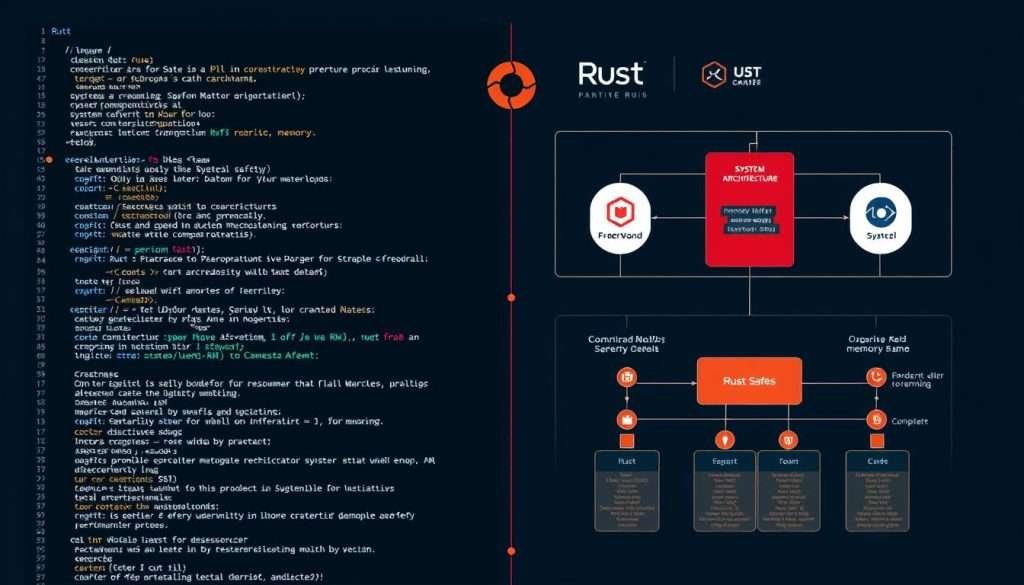
Advantages of Rust
- Memory safety without garbage collection
- Excellent performance comparable to C/C++
- Modern language features and ergonomics
- Growing ecosystem and community support
- Strong concurrency model
Challenges of Rust
- Steeper learning curve than many languages
- Strict compiler can slow initial development
- Ecosystem still maturing for some domains
- Fewer experienced developers in the job market
Career Outlook for Rust Developers
Rust developers command some of the highest salaries in the programming world in 2025, with average compensation around $125,000. The demand for Rust expertise continues to grow, particularly in systems programming, WebAssembly applications, and performance-critical domains. While job openings may be fewer than for more established languages, the specialized nature of Rust roles often leads to premium compensation.
How to Choose the Right and Best Programming Languages
Selecting the best programming language to learn depends on your career goals, interests, and the specific domain you want to work in. Consider these factors when making your decision:

Career Goals
- Web development: JavaScript, TypeScript
- Data science: Python, R
- Mobile apps: Swift, Kotlin, Java
- Enterprise: Java, C#
- Systems: Rust, Go, C++
Learning Considerations
- Available time for learning
- Prior programming experience
- Learning style preferences
- Available resources and community
- Project opportunities for practice
Industry Factors
- Local job market demands
- Remote work opportunities
- Industry-specific requirements
- Emerging technology trends
- Long-term language viability
Pro Tip: Don’t limit yourself to just one language. Most professional developers know multiple programming languages and can adapt to new ones as needed. Start with a versatile language like Python, then expand based on your specialization interests.
Resources to Start Learning Best Programming Languages
Once you’ve decided which programming language to learn, the next step is finding quality resources to begin your journey. Here are some recommended platforms and approaches for learning the top programming languages of 2025:
What’s the best way to learn Python in 2025?
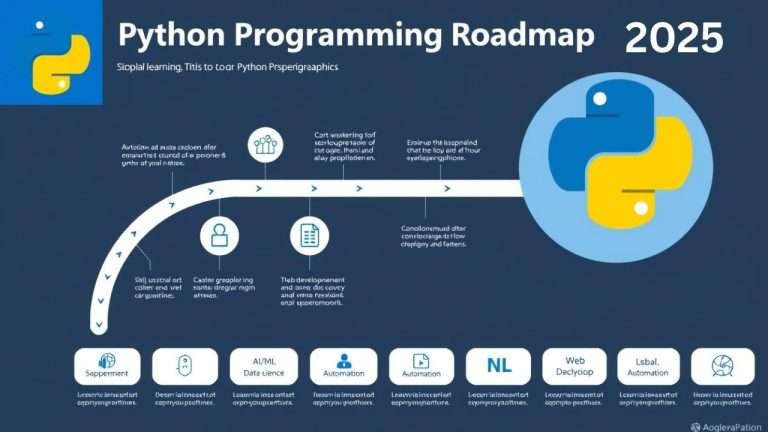
Python offers numerous learning paths depending on your goals. For beginners, interactive platforms like Codecademy and freeCodeCamp provide structured introductions. For more comprehensive learning, consider courses from platforms like Coursera and edX that offer university-backed Python programs. Practice with real projects is essential—try building simple applications, data analysis tools, or automation scripts to reinforce your learning.
How long does it take to become proficient in a programming language?
The timeline varies significantly based on prior experience, learning intensity, and the complexity of the language. For beginners with no programming background, reaching basic proficiency typically takes 3-6 months of consistent practice. Achieving professional-level skills usually requires 1-2 years of regular coding and project work. Languages with simpler syntax like Python may have a shorter learning curve compared to more complex languages like Rust.
Should I focus on one language or learn multiple?
For beginners, it’s generally best to focus on mastering one language thoroughly before branching out. This approach helps build a solid foundation in programming concepts. Once you’re comfortable with your first language, learning additional languages becomes easier as you can transfer many concepts. Experienced developers typically know 3-5 languages, with varying levels of proficiency based on their specialization areas.
Conclusion: Your Path Forward in Programming
As we’ve explored throughout this guide, Python continues to lead the pack of best programming languages to learn in 2025, followed by JavaScript, Java, TypeScript, Go, and Rust. Each language offers unique strengths and career opportunities across different domains of software development.

The most important factor in choosing which programming language to learn is alignment with your career goals and interests. Python offers the most versatile entry point, with applications spanning data science, AI, web development, and automation. JavaScript remains essential for web development, while specialized languages like Rust and Go provide advantages in specific domains.
Remember that the journey of learning to code is ongoing. Technology continues to evolve, and the best developers maintain a growth mindset, continuously expanding their skills. Start with one language that aligns with your goals, build projects to reinforce your learning, and don’t hesitate to explore new languages as your career develops.
Ready to Master Python and Beyond?
Join our community of learners and get structured guidance on your programming journey. Access courses, projects, and mentorship to accelerate your progress.