Why Python is the King of Programming Languages in 2025?
Python’s Rising Dominance in the Programming World
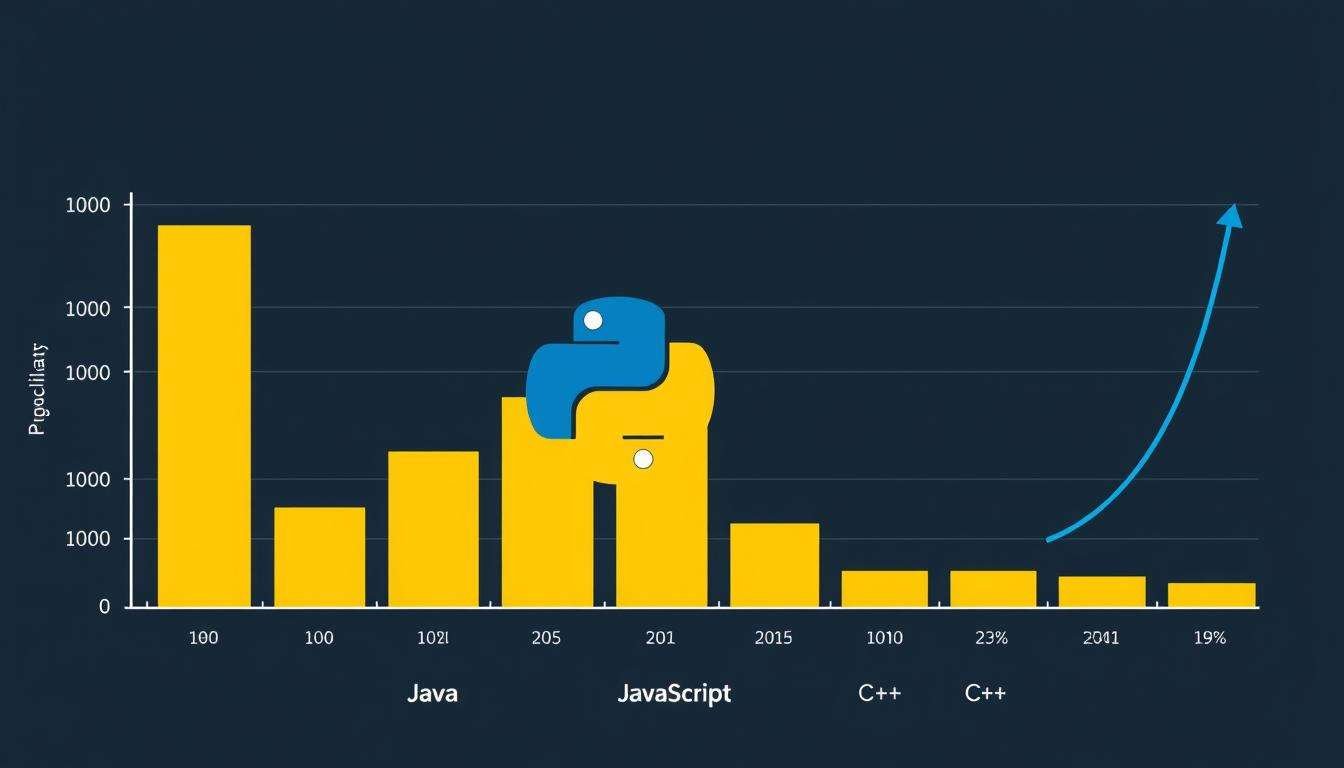
Python’s ascent to the programming throne isn’t just anecdotal—it’s backed by data. According to the TIOBE index, Python has consistently ranked as one of the most popular programming languages in recent years, often claiming the top spot. Stack Overflow’s 2025 Developer Survey confirms this trend, with Python ranking as the most commonly used and desired programming language among developers worldwide.
This meteoric rise isn’t a coincidence. Python has been steadily gaining momentum since its creation in the late 1980s by Guido van Rossum. What started as a hobby project has transformed into a global phenomenon that powers everything from simple scripts to complex machine learning systems. Its growth has been particularly explosive in the last decade, coinciding with the rise of data science and artificial intelligence—fields where Python excels.
“Python’s philosophy emphasizes code readability with its notable use of significant whitespace. Its language constructs and object-oriented approach aim to help programmers write clear, logical code for small and large-scale projects.”
Simplicity: Python’s Greatest Strength
One of Python’s most compelling advantages is its remarkably clean and readable syntax. Unlike many programming languages that use complex symbols and rigid structures, Python reads almost like English. This approachability significantly reduces the learning curve for beginners while allowing experienced developers to write code more efficiently.
Why Python’s Syntax Makes It Beginner-Friendly
- No need for semicolons or curly braces to define code blocks
- Uses indentation for structure, promoting clean coding practices
- Requires fewer lines of code compared to languages like Java or C++
- Expressive syntax that focuses on readability over complexity
- English-like commands that are intuitive and easy to remember
This simplicity doesn’t just benefit newcomers—it makes Python an excellent choice for rapid development and prototyping. When developers can write and understand code more quickly, they can iterate faster and bring products to market sooner. This efficiency is a key reason why startups and established companies alike choose Python for their projects.
Unmatched Versatility: Python Does It All
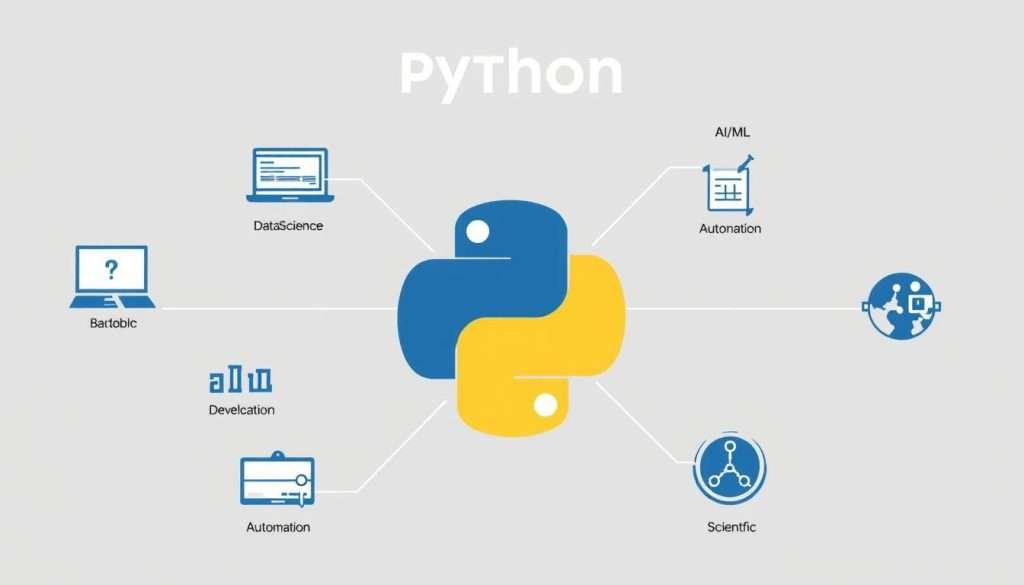
Unlike specialized languages that excel in just one area, Python is a true jack-of-all-trades. Its versatility makes it valuable across numerous industries and applications, eliminating the need to learn multiple languages for different projects.
Web Development
Frameworks like Django and Flask have made Python a powerhouse for building robust, scalable websites and web applications. Instagram, Spotify, and Pinterest all rely on Python for their backend systems.
Data Science & Analysis
Python’s libraries like Pandas, NumPy, and Matplotlib have revolutionized how we work with data. From simple visualizations to complex statistical models, Python makes data analysis accessible and powerful.
Machine Learning & AI
TensorFlow, PyTorch, and scikit-learn have established Python as the dominant language in artificial intelligence. These frameworks enable everything from image recognition to natural language processing.
Automation & Scripting
Python excels at automating repetitive tasks, from simple file operations to complex workflow management. Its scripting capabilities save countless hours of manual work across industries.
Game Development
While not primarily known for games, Python powers components in titles like The Sims 4 and Civilization IV. Libraries like Pygame make it accessible for indie developers and hobbyists.
Scientific Computing
Python’s precision and powerful libraries make it ideal for scientific research. NASA, CERN, and countless research institutions rely on Python for data processing and simulation.
This extraordinary range of applications means that learning Python gives you the keys to multiple kingdoms. Whether you’re building a website, analyzing stock market data, or training an AI model, Python has the tools you need.
Rich Ecosystem: Python’s Powerful Libraries
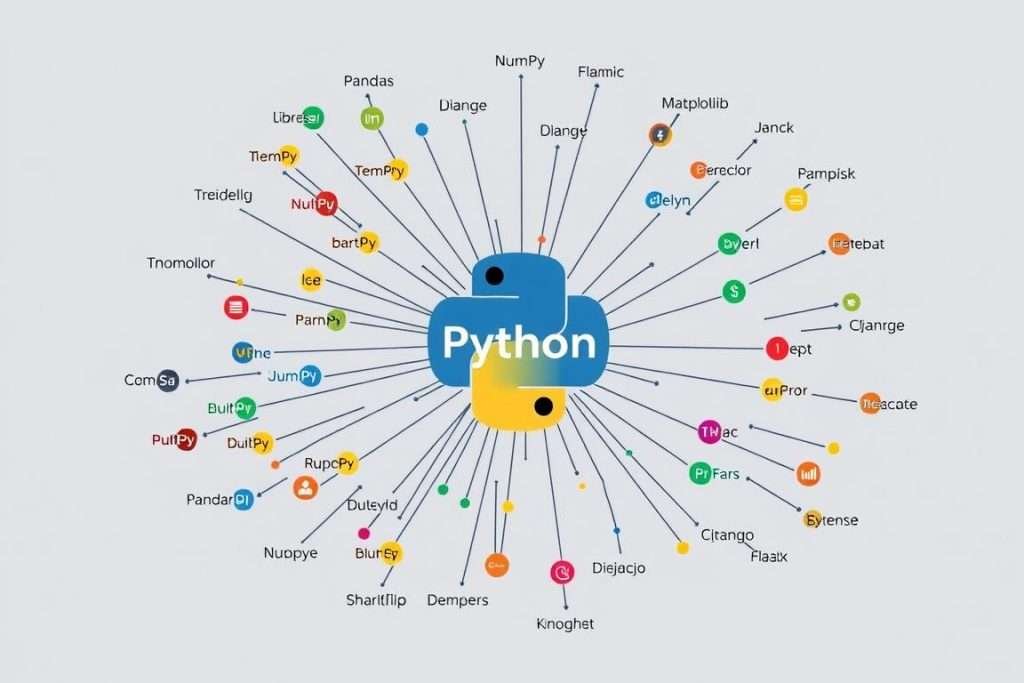
One of Python’s greatest strengths is its vast collection of libraries and frameworks. These pre-built tools eliminate the need to “reinvent the wheel,” allowing developers to leverage existing solutions for common problems.
Essential Python Libraries by Domain
| Domain | Key Libraries | Primary Uses |
| Data Analysis | Pandas, NumPy, SciPy | Data manipulation, statistical analysis, mathematical operations |
| Data Visualization | Matplotlib, Seaborn, Plotly | Creating charts, graphs, interactive visualizations |
| Machine Learning | TensorFlow, PyTorch, scikit-learn | Building and training AI models, predictive analytics |
| Web Development | Django, Flask, FastAPI | Creating websites, APIs, web applications |
| Automation | Selenium, PyAutoGUI, Beautiful Soup | Web scraping, UI automation, task scheduling |
The Python Package Index (PyPI) hosts over 400,000 projects, covering virtually every programming need imaginable. This rich ecosystem means that Python developers rarely need to start from scratch—there’s almost always a library that can accelerate development.
Did you know? Python’s package management system, pip, makes it incredibly easy to install and manage libraries with a simple command: pip install library_name. This streamlined approach to dependency management is another reason for Python’s widespread adoption.
Thriving Community: Python’s Secret Weapon
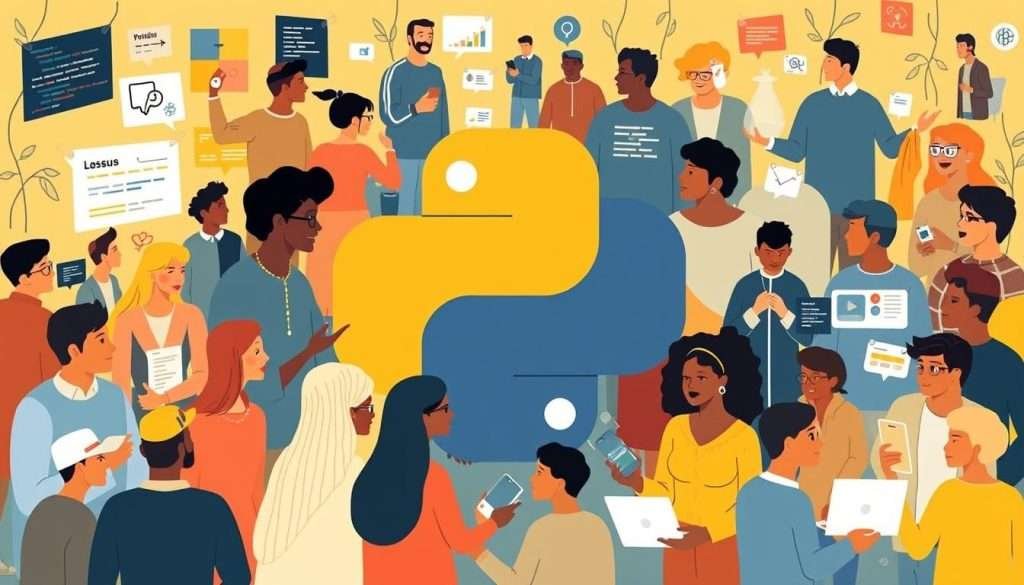
Behind every great programming language is a great community, and Python’s is exceptional. This global network of developers, educators, and enthusiasts continually improves the language, creates resources, and supports newcomers.
How Python’s Community Drives Its Success
- Active forums like Stack Overflow and Reddit’s r/Python provide quick solutions to coding challenges
- Comprehensive documentation and tutorials make learning accessible to everyone
- Regular conferences like PyCon bring together developers from around the world
- Open-source contributions constantly improve libraries and frameworks
- Community-driven Python Enhancement Proposals (PEPs) guide the language’s evolution
This collaborative spirit means that Python users are never alone. Whether you’re a beginner struggling with your first program or an expert tackling a complex problem, the Python community is there to help. This support network significantly reduces the friction of learning and using the language, contributing to its widespread adoption.
Career Opportunities: Python’s Job Market Advantage
Learning Python isn’t just intellectually rewarding—it’s financially beneficial too. The demand for Python skills has skyrocketed in recent years, creating abundant job opportunities across various industries.
Python-Related Careers and Average Salaries
| Career Path | Average Salary (USD) | Growth Outlook |
| Data Scientist | $120,000 – $140,000 | Very High |
| Machine Learning Engineer | $130,000 – $150,000 | Very High |
| Python Developer | $80,000 – $120,000 | High |
| DevOps Engineer | $110,000 – $130,000 | High |
| Data Analyst | $70,000 – $90,000 | Moderate to High |
Companies across all sectors—from tech giants like Google and Facebook to financial institutions like JP Morgan Chase—are actively seeking Python talent. This widespread demand means that Python skills can open doors in virtually any industry you’re passionate about.
Ready to Boost Your Career with Python?
Join millions of developers who have accelerated their careers by mastering Python. Our comprehensive Python courses take you from beginner to expert with hands-on projects and personalized feedback.
Python vs. Other Programming Languages
To truly understand Python’s dominance, it’s helpful to compare it with other popular programming languages. While each language has its strengths, Python’s balanced approach gives it a unique advantage.
Python’s Advantages
- Exceptionally readable and clean syntax
- Versatile across multiple domains
- Massive ecosystem of libraries
- Strong community support
- Excellent for beginners and experts alike
- High demand in the job market
- Open-source and free to use
Python’s Limitations
- Slower execution speed compared to C++ or Java
- Not ideal for mobile app development
- Higher memory consumption
- Global Interpreter Lock (GIL) can limit concurrency
- Less suitable for low-level system operations
Language Comparison by Use Case
| Use Case | Python | Java | JavaScript | C++ |
| Data Science | Excellent | Good | Fair | Fair |
| Web Development | Very Good | Good | Excellent | Poor |
| Game Development | Fair | Good | Good | Excellent |
| Machine Learning | Excellent | Good | Fair | Good |
| Beginner Friendliness | Excellent | Fair | Good | Poor |
While each language has its place in a developer’s toolkit, Python’s balanced approach makes it an excellent first language and a valuable addition to any programmer’s skill set. Its flexibility means you can start with simple scripts and gradually tackle more complex projects as your skills grow.
Python in Action: Real-World Success Stories
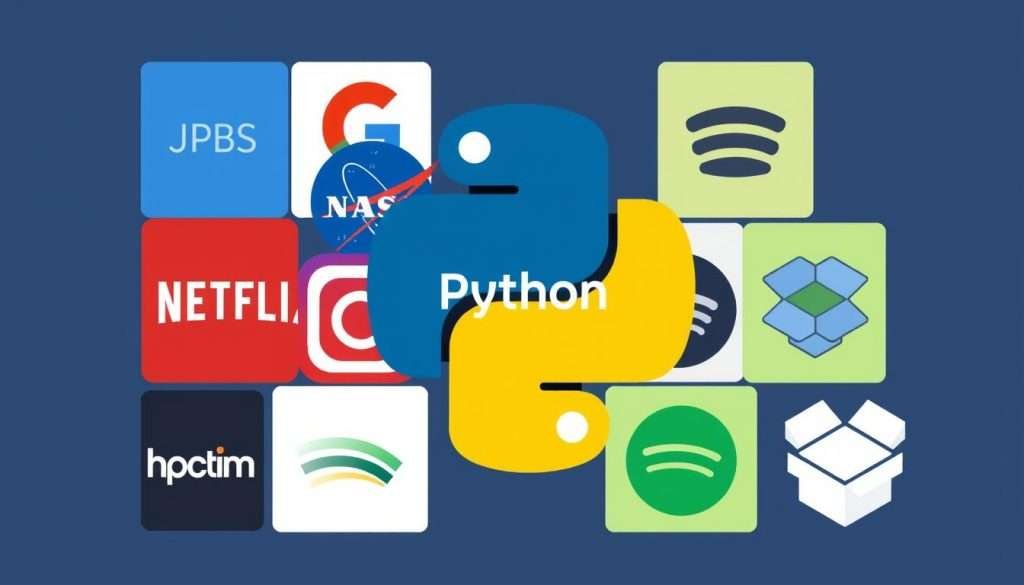
Python’s impact extends far beyond theoretical advantages—it powers some of the world’s most innovative and successful technologies. Here are just a few examples of how Python is changing our world:
Netflix
The streaming giant uses Python extensively for its recommendation engine, which analyzes viewing habits to suggest content. Python’s data analysis capabilities help Netflix deliver personalized experiences to millions of users.
NASA
Python plays a crucial role in NASA’s scientific computing. It helped process and analyze the historic first images of a black hole and supports various aspects of space exploration and research.
One of the world’s largest social media platforms runs on Python. Instagram chose Django (a Python web framework) for its backend, allowing it to scale to billions of users while maintaining stability.
These examples demonstrate Python’s ability to handle complex, high-stakes applications at massive scale. From entertainment to scientific discovery to social connection, Python is quietly powering the technologies that shape our daily lives.
“Python has been an important part of Google since the beginning, and remains so as the system grows and evolves. Today dozens of Google engineers use Python, and we’re looking for more people with skills in this language.”
Getting Started with Python: Your Path to Mastery
Ready to harness the power of Python? The journey from beginner to proficient Python developer is more accessible than you might think. Here’s a roadmap to guide your learning:
Python Learning Path
- Set up your environment – Install Python and choose an IDE like PyCharm or VS Code
- Master the fundamentals – Learn variables, data types, loops, and conditionals
- Understand data structures – Get comfortable with lists, dictionaries, sets, and tuples
- Explore functions and modules – Learn to organize your code efficiently
- Dive into object-oriented programming – Understand classes and inheritance
- Work with libraries – Start using popular libraries relevant to your interests
- Build projects – Apply your knowledge to real-world problems
- Join the community – Contribute to open-source projects and attend meetups
Pro Tip: The best way to learn Python is by doing. Start with small projects that interest you, and gradually tackle more complex challenges as your skills improve. Consistent practice is key to mastery.
Recommended Resources for Python Learners
For Beginners
- Python.org’s official tutorial
- “Automate the Boring Stuff with Python” by Al Sweigart
- Codecademy’s Python course
- Python for Everybody Specialization (Coursera)
For Intermediate Learners
- “Python Cookbook” by David Beazley
- Real Python tutorials
- DataCamp’s Python Data Science track
- HackerRank Python challenges
For Advanced Users
- “Fluent Python” by Luciano Ramalho
- Deep Learning Specialization (Coursera)
- Contributing to open-source Python projects
- Advanced algorithm challenges on LeetCode
Take Your First Step Today
The journey of a thousand miles begins with a single step. Start your Python adventure now with our beginner-friendly tutorials and supportive community.
The Future of Python: What’s Next for the King?
As we look to the horizon, Python’s reign shows no signs of ending. In fact, several trends suggest that Python will become even more important in the coming years:
Emerging Trends in Python Development
- AI and Machine Learning Growth – As these fields expand, Python’s role as the primary language for AI development will strengthen
- Performance Improvements – Recent Python versions have significantly improved execution speed, addressing one of its few weaknesses
- Python in Edge Computing – Lightweight Python implementations are making it viable for IoT and edge devices
- Quantum Computing – Libraries like Qiskit are positioning Python at the forefront of quantum programming
- Web Assembly Support – Efforts to bring Python to browsers through WASM will expand its reach even further
These developments suggest that Python’s versatility will continue to grow, making it an even more valuable skill for the future. As technology evolves, Python evolves with it, constantly adapting to new challenges and opportunities.
“I’m constantly amazed by the versatility of Python. Twenty-five years after I first released it, I couldn’t have predicted how it would evolve and grow. The future looks bright for Python.”
Conclusion: Why Python Deserves Its Crown
Python’s journey from a hobby project to the king of programming languages is a testament to its exceptional design and the power of community. Its unique combination of simplicity, versatility, and powerful libraries has made it indispensable in fields ranging from web development to artificial intelligence.
Whether you’re a beginner taking your first steps in programming or an experienced developer looking to expand your toolkit, Python offers a welcoming and rewarding path forward. Its gentle learning curve doesn’t compromise on power, allowing you to tackle increasingly complex projects as your skills grow.
In a world where technology changes rapidly, Python’s adaptability ensures its continued relevance. By learning Python today, you’re not just acquiring a skill for the present—you’re investing in a capability that will serve you well into the future.
Join the Python Revolution
Don’t miss out on the opportunities that Python skills can bring. Start your journey today and become part of the global community that’s shaping the future of technology.
Frequently Asked Questions About Python
Is Python hard to learn for beginners?
Python is widely considered one of the easiest programming languages to learn. Its clean syntax, readable code, and similarity to everyday English make it accessible to beginners. Many people with no prior programming experience can start writing simple Python programs within days of beginning their learning journey.
How long does it take to learn Python?
The time it takes to learn Python depends on your goals and dedication. Basic Python syntax can be learned in a few weeks. Becoming comfortable with core concepts might take 2-3 months of regular practice. Mastering advanced topics and specialized libraries can take 6-12 months or more. Remember that programming is a skill that continuously develops throughout your career.
Is Python better than JavaScript?
Neither language is objectively “better” than the other—they serve different purposes. JavaScript excels in front-end web development and browser-based applications. Python shines in data analysis, backend development, and scientific computing. Many developers learn both languages to handle different aspects of their projects.
Can I get a job knowing only Python?
Yes, many entry-level positions, particularly in data analysis, research, and some backend development roles, primarily require Python skills. However, most tech careers benefit from knowing multiple languages and technologies. Python makes an excellent first language that can open doors while you continue to expand your skill set.
Is Python free to use?
Yes, Python is completely free and open-source. You can download, use, modify, and distribute Python without any licensing fees, even for commercial applications. This accessibility has contributed significantly to Python’s widespread adoption across industries and educational institutions.